What Does Illinois Export?

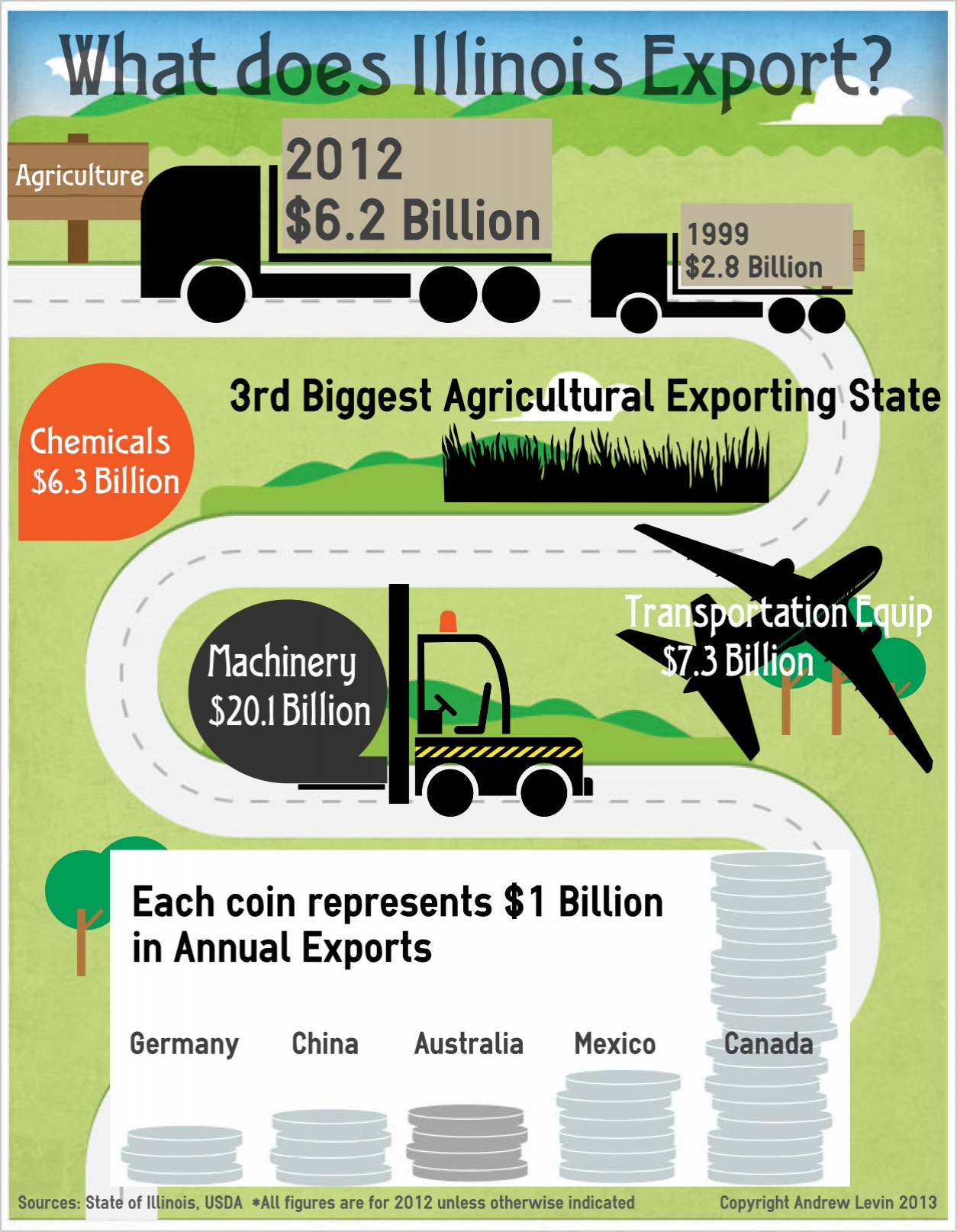
What does Illinois export and to which countries?

While overshadowed by Springfield politics regarding pensions, concealed weapons, and gay marriage, Governor Pat Quinn recently visited Mexico on a trade mission. This jaunt was the fifth such mission having previously visited: Belgium, Brazil, Canada, & China. Leaving aside FDI and trade in services (for this article at least), I researched Illinois exports and found a lot of great facts that added more grist for the mill.

So check out of my infographic on Illinois Exports:

Copyright Andrew Levin 2013

Global Chicago’s Summer Guide for Just About Everyone

The trees are flowering, and the weather is heating up. Spring has sprung and it’s time to take advantage of Chicago’s next season, construction…errr, summer! And with summer comes a plethora of amazing international events.
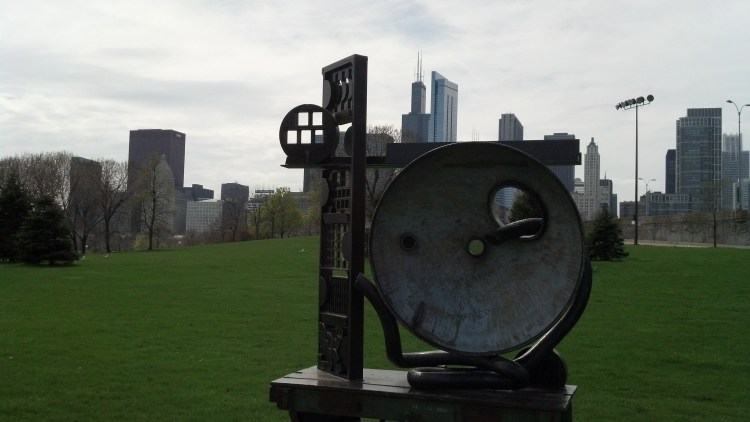
 

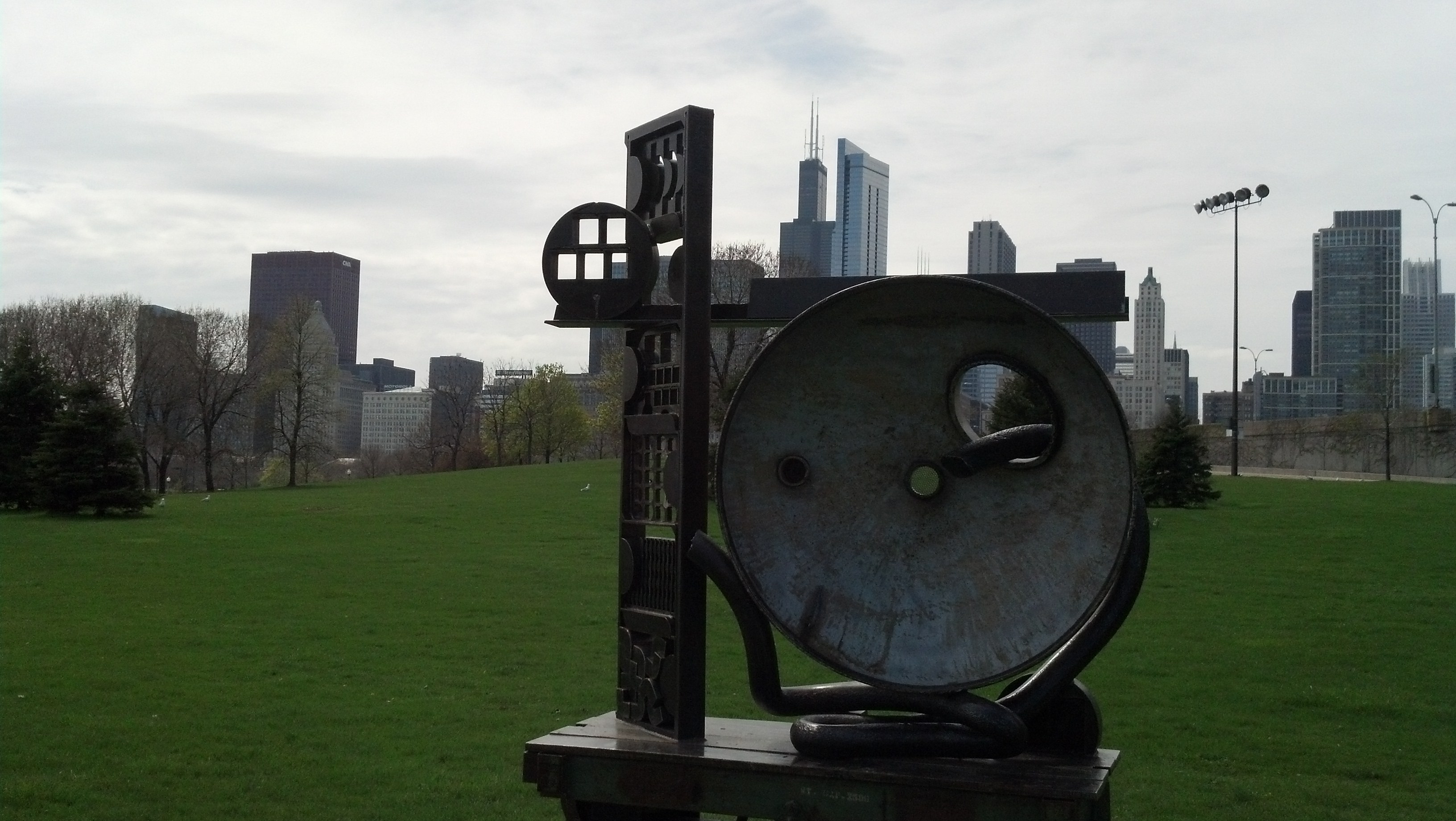
International Outdoor Sculpture ArtworkFor the Outdoorsy: International Sculpture Conference Outdoor Exposition (All Summer)

Whether you’re biking, skating, walking or yachting on Chicago’s Lake Shore, make sure to stop by the dozens of outdoor sculpture lining the bike trail. While most works are by talented American artists, some works have been brought in from abroad. My personal favorite is Kelpies by Scottish artist Andy Scott. But I leave it up to you to explore and find your own immense, colorful, or inspirational sculpture. Make sure to let me know in the comments section!


For the Well-Heeled & Business-focused: Russia Day Gala (June 13)

 Russia remains an enigma rapped in a riddle. Filled with great promise but tons of challenges, the country remains distant from the United States. Despite improvements in trade laws in late 2010, anti-democratic actions in Moscow and more recent moves by Congress regarding human rights have led to diplomatic rows. Now, Syria too threatens to further distance the two great countries. But is that any reason to not go to an awesome party with the Russian Ambassador to the United States?

Amity begins with personal connections. No doubt lubricated by fine Russian vodka and caviar, peace once again can reign supreme. So find that old tux, learn to tie a bow tie, and practice a few Russian words because its time to celebrate Russia Day!

Besides relations really aren’t that bad, the US continues to send its astronauts to Russia to launch into space!


For the Politico: Game of Drones: A Global Affairs Pub Quiz (June 22)

Pop Quiz: 1) In which country are France and the United States negotiating a military installation to fight insurgents in the region?

2) These uninhabited islands administered by the US military from the end of World War II to 1972 are currently claimed by which two countries? As a bonus what other country (no longer recognized by the UN) also claims the islands?

3) Which two countries have the largest bilateral trade relationship in the world?

If you answered: 1) Niger; 2) Japan, China AND Taiwan; 3) US & Canada; then this event is definitely for you. If you like beer, ditto.

 

Bubble Tea at the Taste!For the Gourmand: Taste of Chicago (July 10-14)

The long-running Taste of Chicago is a local institution featuring the foods of some the cities best restaurants – very ethnically diverse. Make sure to visit Lao Sze Chaun for its incredibly spicy chicken dish. Also, word on the street is that for the first time ever, food trucks will be invited. Here’s hoping that the just created Peiorogi Wagon makes the cut!!!

Helpful Hint: I buy my ticket in advance at Jewel to save money and avoid the line.


For Culture-Vultures: Summer Ethnic Festivals

 This town has more festivals in a summer month than my hometown had all year (sorry, Denver!). They are simply incredible – leaving you absolutely zero excuse to ever be bored during a summer weekend. I list just a few international festivals that caught my eye. For more options, check Metromix or the City’s website.

Irish Fest (July 12-14)

This festival is all about diverse, versatile Irish music. For the three day festival, there are not 3, not 4, but FIVE stages featuring American and International musicians! The details are still coming together but you can learn more about their main acts.

Ginza Festival (August 9-11)

Dedicated to the arts and culture of Japan, this event takes place at the Midwest Buddhist Temple in Old Town. Japanese artisans for the Waza guild will be selling their artworks which were created through traditional methods. In addition, live performances and delicious food will be plentiful. A big highlight will be Yoko Noge and Japanesque who perform an amazing mix Japanese folk and Chicago Blues!

Serb Fest (August 9-11)

After Ginza Festival, head up to Jefferson Park for Serb Fest. Here you can try Bosnia and Serbia’s national dish, Ćevapi, grilled mixed meat served with Lepinja (a type of bread), chopped onions, and salt. Then finish up with some Palačinke for dessert! While you are there, take a tour of the ornate Serbian Orthodox Church or get some friend and join the volleyball tournament!

 Africa Festival of the Arts (August 30-September 2)

End your summer season with a bang.. on a drum. This pan-African festival brings you straight to an African Village where you can learn all about cultures, music, food, and their joie de vie. Details are still coming for this festival, but I expect it to be really fun!

What are your thoughts on the Summer Guide, any great events that I missed?

Write a comment and let everyone know your two cents!

Sweet Home Chicago!


Governor for the Day? The problem of over-simplification

Earlier today I came across a very interesting resource: an interactive model of the Illinois state budget. In case you have been living under a rock, Illinois is about as well-run as gymnasium managed by chimpanzees (and I fear that I give that state’s legislators too much credit in the comparison). The extent of Illinois’ debt troubles are almost absurd. The state has a lower rating than all other states in America except California. When something becomes so absurdly ill-managed, it becomes hard to imagine to the average citizen.

As an educator, the budget calculator immediately got me super-excited. Here was an interactive visual that described each component of the budget and how when put together they lead to such a negative result.  And so…I began mapping out the Governor Andrew’s budget. Coming from the education and non-profit world, I decided to take a stand for public welfare by not slashing programs. Instead, I focused on revenues. Without hesitation, I raised liquor and cigarette taxes heavily. Sin taxes are the best because they lead to the least repercussions politically.

Next came taxes on services. Illinois does not currently tax services but this gives them an unfair advantage relative to goods which are taxed in the state. Sadly the calculator did not allow for subgroups. A corporate lawyer or investment banker wont even notice a few bills missing from their piles of money, a small business would. In the real world, politics would probably work in reverse with the service tax being applied to the middle class and some how exempted from wealthy special interests.

Finally, the hardest of the hard was raising corporate and personal tax rates to 8%. I took a pretty harsh stand by increasing both rates. As an Illinois tax payer, I hate the very thought of it. But, I wanted to see if such a drastic step would not just balance the budget but be enough to start refunding the state’s pensions. The state legislature has made many promises to its public employees. Educators, firefighters, and other bureaucrats made their payments for decades. Why should they get faulted for the state not paying their half?

The result:

Screen Shot 2013-05-02 at 10.31.29 AM

As you see my budget increases revenue while keeping costs about the same. The result is a huge surplus – one that in a perfect world would be used to better fund the pension system. YAY! That was simple right?!

Yet, I must caveat my optimism. While the budget is a wonderful tool for me to teach my students about the basics of a government budget, it makes this a little too easy. For one, I have already addressed how political realities would often make common sense reforms challenging, heck near impossible. But the bigger issue goes beyond the borders of Illinois, off-the-books pension and medical care obligations have become a drag on governments even if they don’t include them on their budgets throughout much of the developing world. It is so hard to catch up in system that demography is working against. Every day, more and more of our parents, neighbors, or even yourselves are retiring and asking for their money back.  The federal government swears that it will be able to cover social security for decades to come; however, medicare already doesn’t cover all medical expenses. With medical costs continuing to rise quicker than inflation, the coverage might lessen to next to nothing before the system ever goes broke.

Boeing goes Back to Business after Battery Troubles

Copyright - Andrew Levin 2013
Copyright – Andrew Levin 2013

After nearly three months, Boeing’s cutting-edge 787 was reapproved for commercial flight. Chicago-based Boeing’s new jet had suffered delays in the past related to its groundbreaking electronics system and composite body. However, the most recent problem related to its Lithium battery have been worse because this was after airlines had begun utilize the aircraft.

Even if the problem is fixed (and some national regulatory agencies such as Japan’s are not sure), its unclear what legacies might be ahead. Will airlines get recompense for the costly grounding of their planes? Will customers feel as safe given these recent events? The answers to these questions will largely determine Boeing long-term business success.

Mali: Rebuilding?

Wars are not always easy, but in the case of Mali, it may be the rebuilding that is much more difficult. Malian & French troops quickly routed a Tuareg rebellion earlier this year. To prevent future spark ups, French and American troops are installing military installations in neighboring, Niger.

Copyright - Andrew Levin
Copyright – Andrew Levin

However, the legacy of the latest conflict is massive. Huge numbers have been internally displaced. The UN refugee agency (UNHCR) estimates that there are 282,000 Malians forced away from their homes and 175,000 Malian refugees in neighboring countries. Others have had their livelihoods ruined and their future put at risk. According to the UN UNICEF spokeswoman, Marixie Mercado explained:

Most schools have been looted, and infrastructure damaged. Half of health facilities are not working. Water supply is poor and of poor quality. The vast majority of teachers and health workers are still not at their posts, especially outside of urban zones.

The two biggest foundations of long-term development – education and heath – are out of reach for most in Central to Northern Mali. The result is a humanitarian nightmare.

Yet, faced by massive needs, the response from the international community has been lackluster. The UNICEF spokeswoman also announced that only 24% of the $82 million to help Malian children had been received. While fundraising goals are always optimistic – less than $20 milion will not go far among the 700,000 children that are not yet back in school or the thousands who have been hurt by unexploded artillery!

If you too are shocked by this situation, you can donate to the UNHCR or UNICEF. You can also play a major role by contacting your Congressman and letting them know about this tragedy. Demand that they provide funding for foreign aid.

In just a few months is a scheduled election to replace the current interim government. The stronger the Malian people are in July, the more likely that electoral democracy can be smoothed into a more solid, deeper form – one that can grant its citizens security, peace, education, and a brighter future.

US Elections: They are far from perfect, yet you should STILL vote!

Translation of Voter InformationOn the eve of local elections in Illinois, it’s good to think about what it means to vote in America.

Most races here are majoritarian. The person with the most votes wins the race. Typically, that person does not even need a majority of votes (50% +1). Rather, they need only a plurality or the most votes of any candidates. In a busy mayoral election, this might lead to winning with only say 30% of the vote if all the other candidates receive <30% each. Yet of course none of this matter when there is no competition. It is far less representative when positions go unopposed entirely. While state-wide figures are not available, a newspaper in rural Illinois found that in an 8 county region nearly 75% of the races have only candidate.

Yet this casual acceptance of a voting system that has large limitation is nothing new for Americans. The president has on several occasions lost the popular vote while winning the electoral college and thus the White House. The last time was only 13 years ago. Congressional districts are gerrymandered in many states by partisan legislatures and governors. The influx (if not influence) of private, often anonymous special interests has shaken the election process into a non-stop fundraising free-for-all. And despite HAVA, voting access remains uneven with minority voters twice as likely to stand in long lines to vote.

Yet, there is still reason to be optimistic. One reason is Section 5 of the Voting Rights Act of 1965. Elections in some localities and sometimes even whole states were placed under federal oversight. Elections boards from Alabama to Yuba County (CA) must get a federal court or the Justice Department approval for all voting process adjustments. All of these localities have something – a history of voting discrimination. At the Supreme Court, the case Shelby County v. Holder, may well make it easier for localities to “bail out” of Section 5. It is unlikely that the high court would entirely throw this piece of fairness in an increasingly unfair political system.

In 1975, Section 203 of the Voting Rights Act was added, and it is also why counties are required to have voting materials in other languages and judges who speak them. While citizenship testing requires some knowledge English, it is fairly minimal. As a result, we cannot assume that our fellow Americans can completely know how to vote without translation. In fact, the 2000 Census found that around 8 million US citizens knew little or no English. In Schaumburg, this means that ballots are in English, Spanish, and Hindi. This definitely increases access to recent immigrants. A recent article by Daniel Hopkins of Georgetown found that in the Latino community, language access increased voting participation. In an election like our upcoming one, this is exceptionally important as turnout can be as low as 10% of registered voters!

So while no doubt challenges to American democracy regarding competitiveness, inclusiveness, and access remain, we can at least be assured that federal laws have tried to make this country fairer and freer. Oh and we can vote too. After all, many very important elections and referenda regarding our schools and neighborhoods will be decided tomorrow. For more information on this election, check out Cook County Elections or your local county election office.

Who is responsible for Chicago’s Crazy Weather?

First, it’s freezing. Then, it’s 60 degrees and thundering. Now we are on to snow storm after snow storm. Chicago weather has been something else this year and as it turns out, it might be partly our fault.

The Department of Energy recently released the 2010 data for carbon dioxide emissions per state. For Illinois, the results were mixed. 2010 emissions were up just 1.9% from the previous year; however, remember that this was still in the midst of the Great Recession. While some states such as Florida (8.7%) and Texas (4.4%) were higher year over year, a more long-term perspective is needed to fully understand the numbers. When you look at emissions since 1990, Illinois is right in the middle (22nd highest).

But lets look closer what the middle means, since 1990 Illinois has increased consumption by 38.9 million metric tons of carbon dioxide, an increase of 20.3%.

This is equivalent to  turning on 11 coal power plants. I then checked the origin of this increase – was it simply more folks coming to Illinois and using less or were Illinoisans emitting more. As it turned out Illinois’s population did increase by 12%. However, overall CO2 emissions per capita did increase from 16.7 metric tons/yr to 18.0 metric tons/yr. This also happens to be approximately the national average in 2010.

So let’s think globally with this graph I put together using official Department of Energy data (click below for a better view):

Copyright Andrew Levin 2013

The US is around the 20th highest polluter per capita – Illinois (if it were a country would be right around that mark). Now with the possible exception of Saudi Arabia, none of the countries above our level have anywhere near the population. Not just that, but we are well above the world average of just a few thousand tons per year! Most of humanity is far less energy in their lives. Obviously, its hard to view this variable in isolation: Illinois has lots of factories – Afghanistan…not so much. In the larger picture, development has traditionally led to large increases per capita as people start using televisions and cars (usually affordable when someone makes over $5k/year). In places like India (whose per capita emissions are just 1/10th of Illinois’s), they are still working on electrification -giving millions of people electricity for the first time ever!

So why does this matter? Carbon Dioxide emissions and other greenhouse gases by humans have been proven to cause climate change. As some of the largest producers, we are most responsible for the problems we face in terms of extreme swings in weather. Thus, we are responsible for the absolutely crazy weather we have been seeing here in Chicago.

For ways to decrease your impact you can check out National Geographic’s suggestions. I especially liked their comment on cars – if you current car is good, don’t run out and get a hybrid (it still causes lots of emissions to create these cars). In addition, I personally buy renewable energy credits which promote growth of renewable energy sources of electricity through Champion Energy. If you enroll with the link, you will get a $25 credit (as would I). More big picture as former President Clinton suggested in his book, it’s time to see Illinois’ pension funds as a great opportunity to invest in lower our emissions. New innovative technologies are challenging but the upside potential is there – especially within funds that are willing to invest large amounts over the long-term.

Jobs, lower emissions, and a solution that could be emulated elsewhere if successful – Illinois can be part of the solution.

Mali at War with Itself

Some updates to my last post. Since then, there have been some positive signs. Niono itself is now securely in the hands of the Malian military as French troops have already reached the edge of Timbuktu.

At the same time, accusations of ethnic-based murders by the MALIAN army have been really disturbing.

Then, there is the big bad world of drugs which seems to surround weak and failed states. Just ask Guinea-Bissau, Liberia, and Sierra Leone.

If the lessons of Iraq affects French plans at all, they will immediately work to increase legitimacy and institutional capacity of the Malian government. Otherwise these rebellions will begin again at earnest as soon as the last soldier leaves.

The Mali I Knew

Copyright - Andrew Levin
Copyright – Andrew Levin

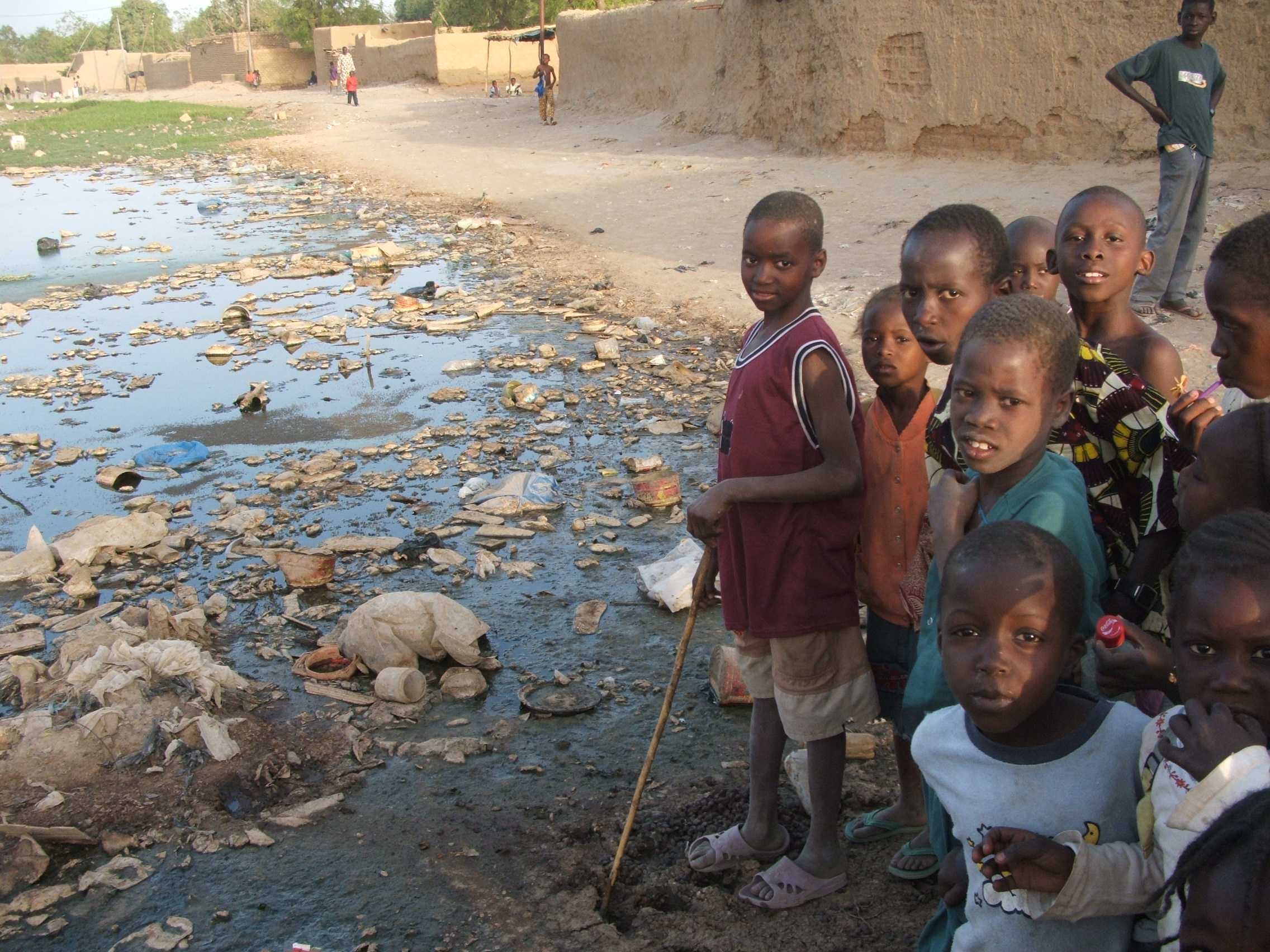
This post is not about the country currently torn in two by Tuareg rebels and their Al-Qaida allies whose extremism has recent spread like a disease to Algeria, but of what I saw in Mali a few years ago. The Mali then was no paradise. It suffered under the chains of poverty and its people suffered the vicissitudes of life far too frequently. Trucks carried precariously perched laborers down bumpy highways, and as best as I could tell, the internet had not yet reached much of the populations.  The mosques, still made from mud and wood were always in need of repair. In the provincial town of Niono, each rain brought sewage water pouring through the center of town. And the dust…oh that never-ending supply of dust. It covered you inside and out for whenever the Niger River did not water – it was there. The dust and smog clogged the lungs and sky.

Copyright - Andrew Levin
Copyright – Andrew Levin

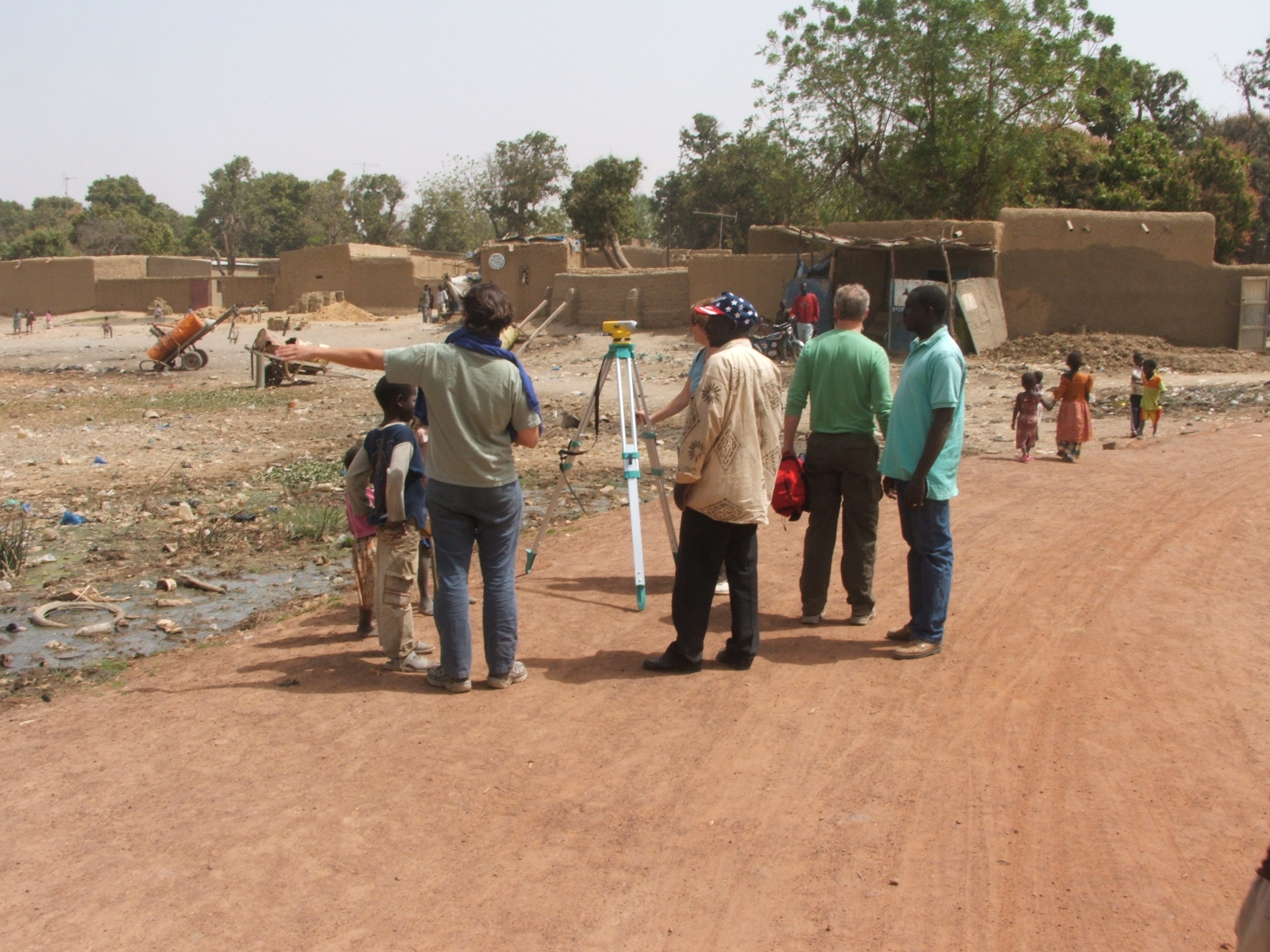
Yet where there were problems, there was also progress. Harvests of watermelon near the life-preserving banks of the Niger, Chinese factories, American-supported infrastructure, and us, Rotary International. At the time, I was a Rotary Ambassadorial Scholar in neighboring Senegal and headed east to translate for American Rotarians and engineers in the Venice of Mali, Niono. Even though the city suffered from a level of poverty unimaginable to the average American, our host friendly was the epitome of hospitality. It went beyond hope to change to action. We were there to work with local people to solve their water sanitation problems. And that was but the tip of the iceberg. When our car broke down on the road to Bamako (about where the current war is being waged) I hitched a ride with a United Nations official off delivering aid in the hinterland. The clinic restocked in some far off corner of rural Mali, we continued on to capital. There action was also prevalent. The local Rotaract club was reconstituting an old house filled with rubbish into a center for the disabled. But those it would serve made clear they would not sit on their laurels – the disabled, mostly polio victims, did what they

Copyright - Andrew Levin
Copyright – Andrew Levin

could. Shoveling with their hands while leaning heavily on their crutches, as their legs were unable to hold much weight, this of forced us to work harder and fight for a future where everyone would have an opportunity. Even the dust had its place. As the sun set over Bamako, I saw a sight I have never seen before nor since – a sunset that radiated more than the sun – its colors streaming every which way until finally somewhere far above the light merged into black. The sun did not give up without a fight against the seeping darkness – may Mali do the same. And if darkness does sink, may we all remember that the sun also rises.

Copyright - Andrew Levin
Copyright – Andrew Levin

Streetwise Goes Global!

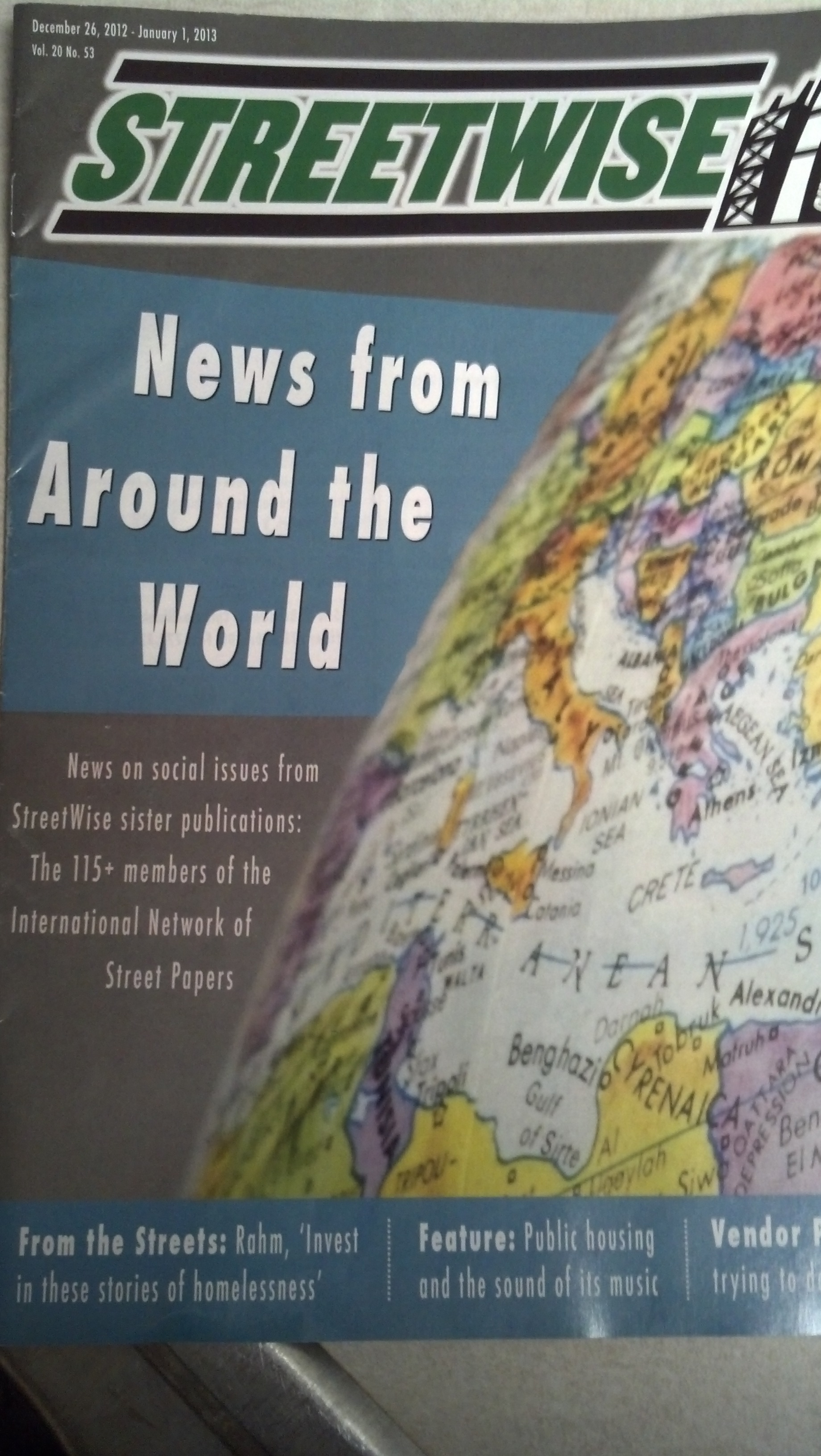
December 2012 Streetwise Cover

Streetwise, a local magazine written and sold by Chicagoans affected by homelessness, had a great issue over the New Years. For those that don’t know Streetwise is a real asset to the community. In a job market that has far too few entry level positions, this non-profit allows those who are homeless or in fear of homelessness to become vendors and create their own small business.

Obviously, key to this plan is providing a publication worth-reading. I must say they did a wonderful job on this last issue. The best article was on orphans in Malawi. Orphanages play an expanded role in much the developing. It does not just mean children with no living parents – they often have one parent or parents who have temporarily fallen on hard times. After a period of time, those children are often sent home. This misconception is widespread in the West – just think about Madonna’s failed bid to adopt a child in that country. It turned out that the father was alive and well and sought back custody. The biggest message of the article: the government should take a larger role in protecting these children.

Keep an eye out for future issues of this well-written magazine!